
The average adult catches 2 to 4 respiratory infections per year, young children up to 12. Strengthening your immune system naturally is not about finding a miracle food, but about stacking the right daily practices: nutrition, sleep, movement, stress management, and adaptogenic plants. Here is the synthesis of the 7 best documented levers.
Understand how the immune system works
The immune system is a set of cells (white blood cells, T and B lymphocytes, macrophages) and molecules (antibodies, cytokines) that detect and neutralise pathogens. It works on two complementary levels.
Innate immunity is the first line of defence, non-specific, present from birth. It includes skin barriers, mucous membranes, gastric pH, and NK (Natural Killer) cells.
Adaptive immunity is the specific response to a previously encountered pathogen. It involves immune memory (memory B lymphocytes) and explains why you don’t catch the same measles twice.
Five factors durably impair immunity:
- Chronic stress (cortisol rise, lymphocyte drop)
- Sleep deprivation (NK cell collapse)
- Sedentary lifestyle and obesity (low-grade inflammation)
- Nutritional deficiencies (vitamin D, zinc, iron)
- Heavy smoking and alcohol use
7 levers to strengthen your immune system
| Lever | Main action | Observable effect |
|---|---|---|
| Antioxidant nutrition | Vitamin and polyphenol intake | 1 to 3 months |
| Vitamin D3 | Lymphocyte activation | 4 to 8 weeks |
| Sleep | Cytokine production | 7 to 14 nights |
| Moderate exercise | Lymphatic circulation | 4 weeks |
| Stress management | Cortisol decrease | 2 to 3 months |
| Immunostimulant plants | Lymphocyte stimulation | 2 to 4 weeks |
| Probiotics | Gut microbiome | 4 to 8 weeks |
1. Vitamin and antioxidant-rich nutrition
Nutrition is the foundation. 70 % of the immune system resides in the gut, which explains why what you eat matters so much.
The most scientifically documented foods:
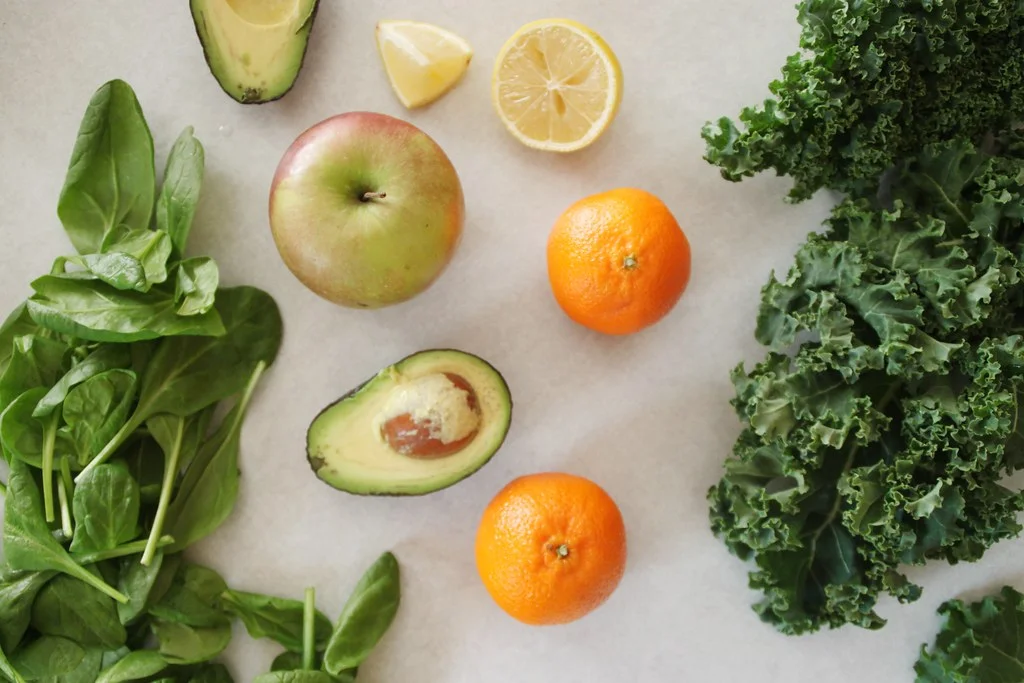
- Citrus fruits and kiwis: vitamin C, key role in white blood cell production
- Garlic and onion: allicin and quercetin, natural antibacterials
- Fresh ginger: gingerols and shogaols, anti-inflammatory
- Turmeric: curcumin, immunomodulator (combine with black pepper for absorption)
- Leafy greens (spinach, broccoli): vitamins A, C, E, folates
- Berries: anthocyanins, powerful antioxidants
- Mushrooms (shiitake, maitake): immunostimulant beta-glucans
- Fatty fish (salmon, sardines): omega-3 and vitamin D
Goal: 5 fruits and vegetables a day, varied in colour to maximise the spectrum of phytonutrients.
2. Vitamin D, the winter reflex supplement
Probably the most common deficiency among French adults: 70 to 80 % of the population shows insufficient levels between October and May. Vitamin D activates T lymphocytes, essential to antiviral response.
Recommended adult dosage:
- 1000 to 2000 IU daily from October to April (Anses opinion)
- D3 cholecalciferol form, more effective than D2
- Take with meals to favour absorption (fat-soluble vitamin)
A blood test (25-OH vitamin D) every 2 to 3 years adjusts the dose. Target: 30 to 60 ng/mL.
3. Sleep, the main regulator
Sleep deprivation is the fastest aggressor of immunity. A single 4-hour night drops NK cells by 70 %, as shown by a Sleep Medicine Reviews study (2019).
The rules of restorative sleep:
- 7 to 9 hours per night, regular
- Bedtime between 10pm and 11pm to respect circadian phase
- Bedroom at 18 °C, fully dark
- Screens off 1 hour before bedtime (blue light)
- Last meal 3 hours before
For installed insomnia, the best teas for sleep offer a gentle and accessible approach.
4. Moderate physical activity
Sport stimulates immunity through two mechanisms: lymphatic circulation (lymphocytes flow through the lymph) and stress reduction (endorphin release).
WHO recommendation: 150 minutes of moderate activity per week, i.e. 30 minutes 5 days a week.
Caveat: prolonged intensive sport (marathon, ultra-trail) causes transient immunosuppression for 24 to 72 hours after effort. Most amateur athletes are not concerned.
5. Chronic stress management
Chronic cortisol, the stress hormone, suppresses immune response in case of prolonged exposure. Three scientifically validated practices:
- Mindfulness meditation: 10 minutes daily, 8 weeks, increases antibody production (Davidson, 2003)
- Yoga or pilates: 2 sessions of 1 hour per week
- Cardiac coherence: 3 minutes, 3 times a day, 365 method (5 seconds in, 5 seconds out, 6 cycles per minute)
Anti-stress aromatherapy usefully complements these behavioural approaches in periods of prolonged tension.
6. Immunostimulant plants
Four plants have documented efficacy.
Echinacea purpurea: the most studied, stimulates white blood cell production. Preventive cure: 3 weeks of mother tincture, 3 ml diluted 3 times a day, from early autumn to spring. Avoid in case of autoimmune disease.
Propolis: resin produced by bees, antibacterial and antiviral. Mouth spray as prevention, chewing gum at the start of a sore throat. Avoid in case of bee product allergy.
Black elderberry (Sambucus nigra): berry syrup rich in antiviral anthocyanins. One tablespoon morning and evening, in winter season.
Astragalus: Chinese adaptogen, supports chronic defences. Root decoction, 6-week cure, autumn and winter.
For stressed profiles that wear out in winter, gemmotherapy buds (blackcurrant, rosehip, hornbeam) provide an effective long-term complement.
7. Gut microbiome and probiotics
The gut hosts 70 % of immune cells. A balanced microbiome is the foundation of robust immunity.
Three levers:
- Daily fermented foods: kefir, live yogurts, sauerkraut, kimchi, miso
- Prebiotics: leeks, onions, garlic, asparagus, slightly underripe banana
- Probiotic cures: 10 billion CFU per day of mixed strains (Lactobacillus rhamnosus, Bifidobacterium lactis), 4 to 8 weeks, especially after antibiotics
4 bad habits to eliminate
Strengthening immunity also means cutting what undermines it.
- Smoking: reduces airway cilia efficiency and NK cells
- Excessive alcohol: depresses bone marrow, the white blood cell production site (limit: 2 standard drinks per day, max 10 per week, 2 alcohol-free days)
- Refined sugars: insulin spike, neutrophil activity drop for 4 to 6 hours after consumption
- Prolonged sedentary lifestyle: slows lymphatic circulation
When to see a doctor
Strengthening the immune system naturally remains a preventive and complementary approach. Four situations require medical advice:
- More than 6 ENT or bronchial infections per year in adults
- Recurrent infections at the same site (urinary, skin, respiratory)
- Frequent cold sores (more than 4 episodes per year)
- Unexplained chronic fatigue lasting more than 3 months
A blood test (CBC, immunoglobulin levels, vitamin D, iron, zinc, magnesium) directs to the specific deficiency to correct.
Bach flower remedies can support emotionally exhausted profiles, without replacing medical assessment.
Typical immunity routine, week by week
To summarise:
- Every day: 5 fruits and vegetables, 1.5 to 2 L of water, 30 minutes of walking, 7 to 9 hours of sleep, 3 minutes of cardiac coherence (morning and evening)
- October to April: 1000 to 2000 IU of daily vitamin D3
- Autumn preventive cure (October-November): echinacea 3 weeks, vitamin C 1 g/day
- Spring cure (March-April): light detox, blackcurrant bud 5 to 15 drops daily, 3 weeks
- At every antibiotic: probiotics 4 weeks minimum
This routine takes little time but a lot of consistency. Benefits are measured over 1 to 3 years, with infectious episode frequency halved in most patients who stick with it.
Frequently asked questions
What is the best natural immune booster?
No single food or plant is enough on its own. Citrus fruits (vitamin C), garlic (allicin), ginger (gingerols), and vitamin D3 are the best scientifically documented pillars. The synergy of several inputs always outperforms a single superfood.
How do you strengthen your immune system in 24 hours?
You don’t build immunity in 24 hours, but you can support an acute response: 8 hours of sleep, 1 to 2 g of vitamin C spread over the day, 2 litres of hydration, fresh ginger infusion, and stress reduction. It’s a boost, not a deep transformation.
Which vitamin is most important for immunity?
Vitamin D is probably the most decisive: 70 to 80 % of French adults are deficient in winter. Supplementing 1000 to 2000 IU daily from October to April is recommended by the French Anses for adults. Vitamin C follows, then zinc.
How long does it take to strengthen immunity?
A targeted cure is felt within 3 to 4 weeks on minor infection frequency. A deep transformation of the immune system (nutrition, sleep, stress) requires 3 to 6 months of consistency to stabilise biological markers (lymphocytes, NK cells).
What are the signs of a weakened immune system?
More than 4 to 6 infectious episodes per year (colds, sinusitis, sore throats), unexplained chronic fatigue, recurrent urinary infections, frequent cold sores, slow wound healing. These signs warrant medical consultation and a blood test (CBC, vitamin D, ferritin).