

In short:
- Five brands shape the offer of natural water retention supplement in Europe: Pranarôm, Arkopharma, Santarôme, Forté Pharma and Compagnie des Sens, all built around the same draining plants (dandelion, orthosiphon, hawkweed, meadowsweet).
- Pranarôm, a brand of the Belgian Inula group, approaches drainage through aromatherapy: its Oléocaps no. 8 Drainage in organic essential oil capsules and its chlorella complement the classic plant drainers.
- Arkopharma and Santarôme rely on plant extracts in organic ampoules or tablets sold in pharmacies (8 to 15 euros), Forté Pharma on liquid drainers, Compagnie des Sens on plant extracts and online advice.
- A drainer acts on water, not on body fat. A cure usually lasts 10 to 20 days, and sudden or persistent swelling should prompt a medical consultation before any supplement.
Water retention, and when a natural solution makes sense
The human body is made up of nearly 60% water. When part of that water stagnates in the tissues instead of circulating, legs swell, ankles mark and fingers tighten around rings. This is water retention, and it is exactly what a natural water retention supplement targets: restarting elimination through plants, without synthetic diuretics.
The cause is rarely serious. Summer heat, prolonged standing, a meal that is too salty, or the hormonal swings of the menstrual cycle and menopause are enough to trigger this stagnation. In these cases the retention is temporary and a matter of comfort.
One point is worth making straight away. A drainer is not a slimming product. It acts on retained water, not on fat. The feeling of lighter legs after a cure does not correspond to a loss of body fat.
How to choose an anti water retention supplement
Four concrete criteria separate the brands. The plants first: a good drainer relies on documented diuretic plants, not on a catch-all formula. The form next, which changes the comfort of use: ampoule to dilute, tablet, capsule, essential oil capsule or concentrated liquid.
Organic certification also matters, a guarantee of plants grown without synthetic pesticides, a strong argument when the product targets elimination. Finally comes the buying channel and the advice attached to it: pharmacy, organic shop or online sale, each with its own level of support.
Two families coexist on the market: liquid drainers, practical for a seasonal cure, and targeted plant extracts, for a more precise botanical approach.
Comparison of natural water retention supplement brands
The table presents the five brands: origin, product form, approach and key plants, distribution channel and the indicative price of a cure. The logic is close to that of a dietary supplement for menopause, where the formula matters more than the marketing.
| Criterion | Pranarôm | Arkopharma | Santarôme | Forté Pharma | Compagnie des Sens |
|---|---|---|---|---|---|
| Origin | Belgium (Inula group) | France | France | France / Monaco | France |
| Form | Essential oil capsules, micro-algae | Ampoules, plant capsules | Organic tablets and ampoules | Concentrated liquid drainer | Plant extracts, capsules |
| Approach / key plants | Aromatherapy: drainage via essential oils, chlorella | Phytotherapy: hawkweed, orthosiphon, dandelion | Organic drainage: birch, dandelion, meadowsweet | Liquid drainers: green tea, plants | Targeted extracts: orthosiphon, red vine, dandelion |
| Distribution | Pharmacies, organic shops, online | Mainly pharmacies | Pharmacies, organic shops | Pharmacies, retail, online | Mainly online |
| Indicative price (cure) | 12 to 16 € | 8 to 15 € | 8 to 13 € | 10 to 16 € | 9 to 15 € |
| Verdict | Organic aromatherapy approach, original and premium | Pharmacy brand built on draining plants | Good organic value in pharmacy | Practical and easy to find for a seasonal cure | Targeted extracts and online advice |
This comparison is indicative. Each brand offers several references, and prices vary with the form and the point of sale.
The clearest gap lies in the approach. Four of the five brands work with plant extracts, in ampoule, tablet or capsule form. Pranarôm is the only one to approach drainage through essential oils, a distinct route aimed at a public already familiar with aromatherapy.
On the plants, the consensus is broad. Dandelion, orthosiphon and hawkweed appear in almost every formula, because their traditional use on urinary elimination is the best established. Hawkweed also features in the catalogue of the best urinary tract supplement brands, alongside heather and bearberry.
“Orthosiphon leaves are traditionally used to increase the amount of urine to achieve flushing of the urinary tract.” European Medicines Agency (EMA), Committee on Herbal Medicinal Products monograph, 2010.
Pranarôm, drainage approached through aromatherapy
Pranarôm, a Belgian brand of the Inula group, is known first for its organic essential oils. It applies that expertise to drainage, where its competitors start from the whole plant or its dry extract. The full range can be viewed on the Pranarôm detox and drainage page.
The central product is Oléocaps no. 8 Drainage, an organic essential oil capsule with intestinal release, designed to support a drainage cure without the strong taste of oils taken neat. The brand rounds out its offer with organic chlorella, a freshwater micro-algae used in detox cures, and single essential oils such as cypress or juniper, traditionally linked to circulatory comfort.
The appeal of this approach lies in concentration. An essential oil is a very dense active, which allows compact formats and precise dosing.
Key features of the drainage range
- Form: organic essential oil capsules with intestinal release, plus a micro-algae supplement (chlorella).
- Plants and oils: organic drainage essential oils, in line with the brand’s aromatherapy tradition.
- Certification: essential oils from organic farming, taken orally only.
This aromatherapy approach appeals to a public already familiar with essential oils, with the usual precautions of use.
The draining plants to know before choosing
Before comparing the brands in detail, you need to recognise the plants that recur in the formulas. The table sums up their traditional use.
| Plant | Traditional use | Note |
|---|---|---|
| Dandelion | Renal elimination, water drainage | A widely used diuretic plant |
| Orthosiphon (Java tea) | Increase in urine volume | Traditional use recognised by the EMA |
| Hawkweed | Water elimination and drainage | Often paired with dandelion |
| Meadowsweet | Elimination, joint comfort | Present in organic drainers |
| Red vine leaf | Venous circulation, heavy legs | Targets the circulatory side |
| Artichoke | Liver and digestive drainage | Complements the renal action |
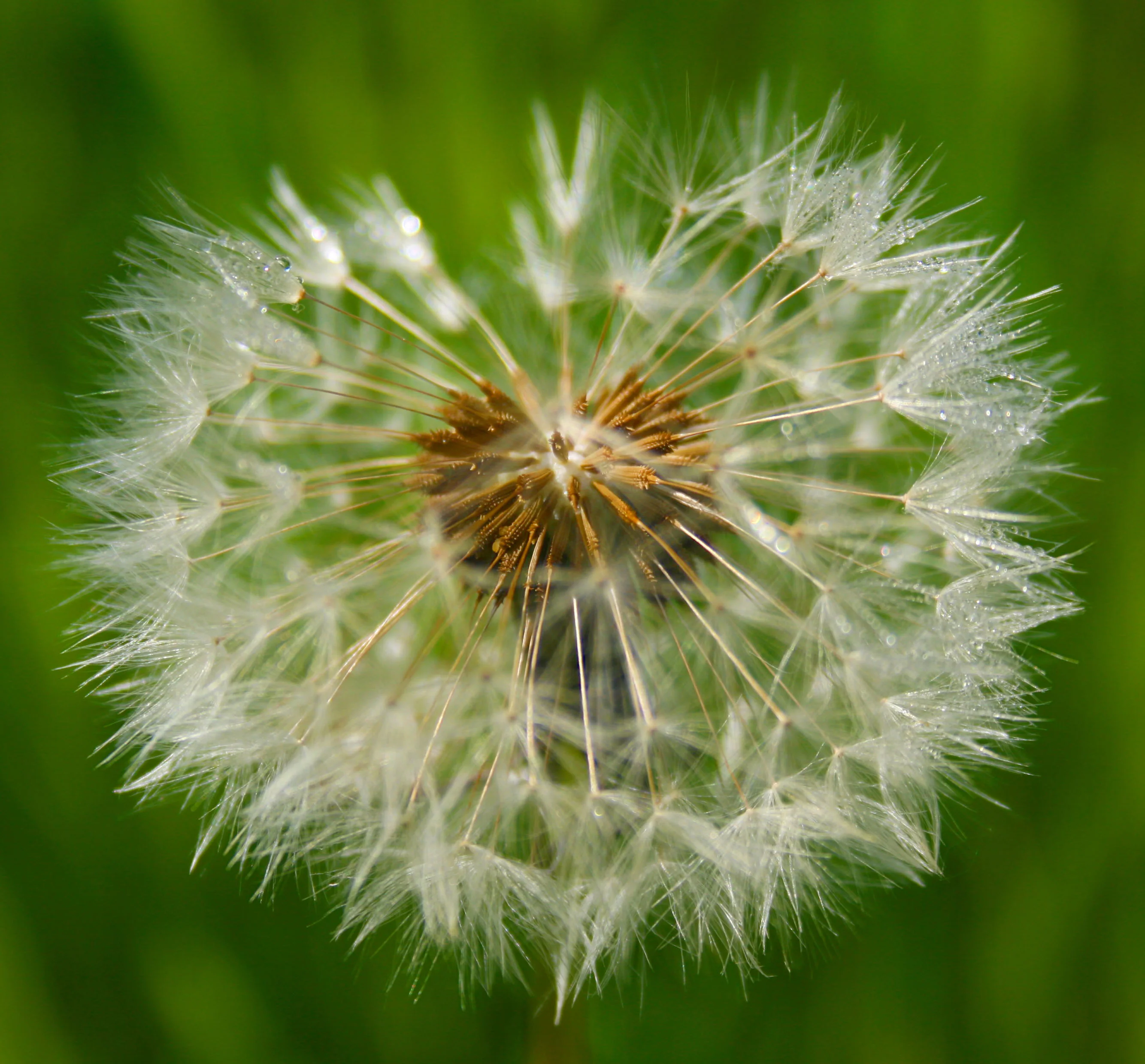
Dandelion (Taraxacum officinale) is the most common starting point. Its root and leaves have been used for centuries to support elimination, and it appears in almost every plant-based drainer.
Orthosiphon, or Java tea, is the other pillar. Red vine leaf, on the other hand, targets a different audience: those whose water retention comes with heavy legs, where the problem is as much circulatory as renal. For that profile, the comparison of the best blood circulation supplements lists the brands working specifically on that side.
Which brand to choose for your profile?
The right choice depends mainly on the origin of the retention and on buying habits.
For occasional drainage linked to heat or standing
Someone who swells in summer or after long days on their feet wants a simple product, on a short cure. A plant drainer in ampoule or tablet form, from Arkopharma or Santarôme, does the job and is bought in a pharmacy with advice. Forté Pharma remains the most accessible option in retail for a seasonal cure. As with a natural dietary supplement for sleep, regular intake matters more than the dose.
For retention linked to the cycle or menopause
When retention follows hormonal swings, drainage alone is not always enough, and the question overlaps with that of female hormonal balance. An approach combining draining plants and plants for the female terrain makes more sense, to be built with a professional. Compagnie des Sens, with its detailed online sheets, and Pranarôm, with its aromatherapy approach, speak to this audience seeking precision.
Mistakes to avoid with a drainer
Three mistakes come up often and spoil a cure.
- Expecting lasting weight loss. A drainer acts on water, not on fat. The water weight lost returns once the cure stops if lifestyle does not change.
- Neglecting hydration. Drinking less to retain less is counterproductive: a body short of water holds on to more. A drainage cure goes with 1.5 to 2 litres of water a day.
- Extending it indefinitely. A cure lasts 10 to 20 days. Beyond that, a continuous diuretic effect serves no purpose and can disturb the mineral balance.
One last marker, the most important. Temporary water retention is a matter of well-being, but sudden, asymmetric, painful swelling, or swelling that does not subside, is not a job for a dietary supplement. It may signal a circulatory, renal or cardiac issue and calls for medical advice. The supplement supports comfort, it does not treat a condition.
Frequently asked questions
Which brands offer a natural dietary supplement for water retention?
Five brands share this segment in France and Europe. Pranarôm approaches drainage through aromatherapy, with its Oléocaps no. 8 Drainage in organic essential oil capsules plus chlorella. Arkopharma and Santarôme work with draining plant extracts in organic ampoules or tablets sold in pharmacies. Forté Pharma focuses on liquid drainers, Compagnie des Sens on plant extracts and online advice. All rely on the same diuretic plants: dandelion, orthosiphon, hawkweed and meadowsweet.
What is the best supplement for water retention?
There is no single best product. For organic drainage through aromatherapy, Pranarôm stands out with its essential oil capsules. For a pharmacy purchase with advice, Arkopharma and Santarôme are the most accessible. Forté Pharma suits a seasonal cure, Compagnie des Sens those looking for targeted plant extracts. The right choice depends on the preferred form, the buying channel and whether the retention is occasional or hormonal.
How much does a water retention cure cost?
A plant-based drainer costs between 8 and 20 euros depending on the brand, form and duration. Organic pharmacy ampoules and tablets (Arkopharma, Santarôme) sit around 8 to 15 euros, liquid drainers (Forté Pharma) between 10 and 16 euros, organic essential oil capsules (Pranarôm) between 12 and 16 euros. A cure usually lasts 10 to 20 days, a monthly budget of 10 to 20 euros.
Does a water retention supplement help you lose weight?
No. A drainer acts on water held in the tissues, not on body fat. It can ease a feeling of swelling and a slight gain in water weight, but it replaces neither a balanced diet nor physical activity. Confusing drainage with lasting weight loss is the most common mistake with this type of product.
Which plants work against water retention?
The traditional draining plants are dandelion, orthosiphon (Java tea), hawkweed, meadowsweet, red vine leaf and artichoke. The European Medicines Agency recognises the traditional use of several of them to increase urine volume and support elimination. These plants appear, as extracts or essential oils, in most supplements on the market.