
In short:
- Hot flashes are treated naturally by 3 main axes: targeted phytotherapy (black cohosh, sage, hops), diet rich in phytoestrogens, and lifestyle.
- Count 8 to 12 weeks of cure for clear and lasting results.
- In case of severe, disabling flashes or unusual signs (palpitations, weight loss), consult to eliminate thyroid cause.
Hot flashes affect 75 percent of women at menopause and represent one of the most disabling symptoms of this transition period. Before considering menopause hormone therapy (MHT), there is a range of effective and well-documented natural solutions that can considerably improve daily life. Here is a complete overview to build your personalized approach.
Where Hot Flashes Come From
At menopause, the fall in estrogens deregulates the hypothalamus thermoregulatory center. The thermal comfort window narrows: the slightest rise in body temperature (effort, emotion, ambient heat) triggers a disproportionate cooling reaction, with cutaneous vasodilation, redness, sweating and intense heat sensation.
Flashes generally last 1 to 5 minutes, occur up to 20 times a day in severe cases, and are often accompanied by:
- Intense night sweats (covers tractor between blanket removed and put back)
- Sleep disorders
- Palpitations during the episode
- Anxiety or irritability sensation
- Daytime fatigue from accumulation of bad nights
This mechanism justifies an approach combining hormonal regulation, thermal support and nervous calm.
Black Cohosh: A Well-Studied Plant
Cimicifuga racemosa (black cohosh) is the most studied plant for menopausal hot flashes. Several meta-analyses (including one published in the Cochrane review) confirm its effectiveness on:
- Daily number of flashes
- Felt intensity
- Associated night sweats
- Global mood
Its exact mechanism remains partially debated: it would act via serotonergic and dopaminergic receptors of the hypothalamus, more than by direct estrogenic action.
Typical dosage: 40 mg/day of standardized extract (equivalent to about 1 mg of triterpene glycosides), in 1 to 2 doses during meals, over at least 12 weeks to evaluate the effect. Brands Pileje, Solgar, Vitall+ offer standardized extracts.
Precautions: do not exceed 6 months of continuous intake without break, monitor liver in case of prolonged cures (rare cases of hepatitis reported), contraindicated in case of history of hormone-dependent cancer.
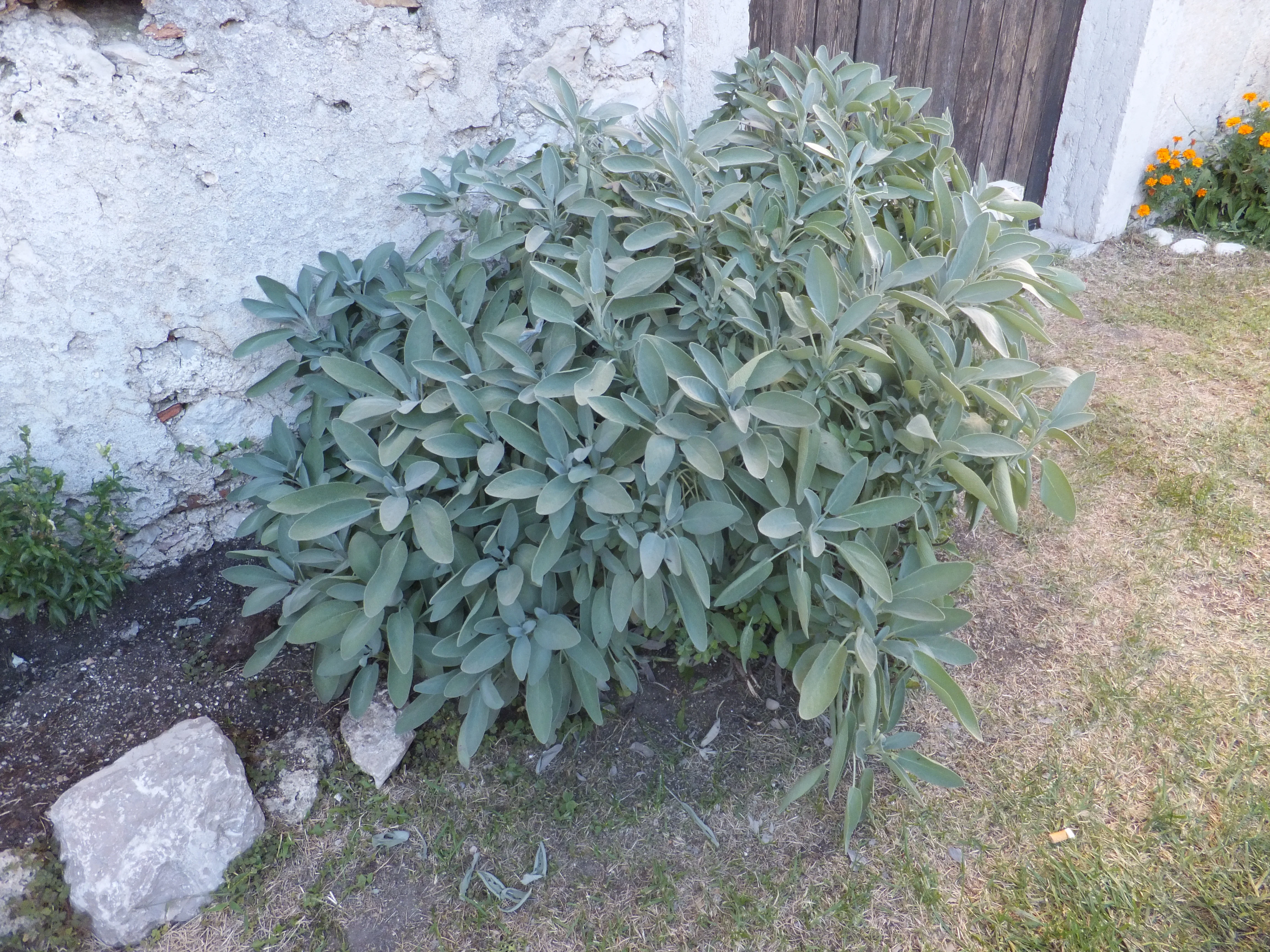
Common Sage: The Natural Anti-Sweat
Common sage (Salvia officinalis) is traditionally used to reduce excessive sweating, especially night sweats of menopause. Its action is fast: first effects are felt in 7 to 10 days.
Dosage:
- As infusion: 1 teaspoon of dried leaves in 250 mL of simmering water, 10 minutes, 2 to 3 cups per day
- In capsules: 300 mg of dry extract, morning and evening
Caution: common sage contains thujone, neurotoxic at high doses. Do not exceed 6 weeks of continuous cure, take breaks, contraindicated in case of epilepsy and during pregnancy.
Clary sage (Salvia sclarea), less rich in thujone, can be preferred in prolonged cure. It contains sclareols with gentle estrogenic properties very interesting in perimenopause.
Daytime perspiration, by contrast, is settled on cosmetic ground: the comparison of recommended natural antiperspirants sets out what alum stone, baking soda and essential oils are actually worth.
Hops and Red Clover: Phytoestrogens
Two plants provide phytoestrogens that partially mimic the action of natural estrogens:
Hops (Humulus lupulus) contains 8-prenylnaringenin, one of the most powerful phytoestrogens in the plant kingdom. Dosage: 200 to 400 mg of extract per day, over 8 to 12 weeks.
Red clover (Trifolium pratense) is rich in isoflavones (genistein, daidzein, biochanin A). Clinical studies: 40 to 50 percent reduction in flashes in 12 weeks, at 80 mg of isoflavones per day.
These plants are contraindicated in case of history of hormone-dependent cancer and in women taking hormonal treatment.
Soy and Isoflavones
Soy is one of the richest food sources in isoflavones. Asian women, whose traditional diet is rich in soy, know fewer hot flashes than Western women.
Recommended intake: 40 to 80 mg of soy isoflavones per day, equivalent to:
- 200 g of tofu
- 1 glass (250 mL) of soy milk
- 1 soy yogurt
For non-fans, supplements are available: Phyto Soya, Lierac Méno, Manhaé. 8 to 12 week cure to evaluate.
See also our article on the best menopause supplement brands which details the most effective associations, and the comparison of the best menopause supplements which ranks each active ingredient by evidence level, while our guide to female hormonal balance supplement brands compares black cohosh formulas.
Other Useful Plants
Wild yam (Dioscorea villosa): precursor of natural progesterone, interesting in perimenopause when estrogen-progesterone imbalance is marked.
Pueraria mirifica: Thai plant with powerful isoflavones, to avoid in case of hormone-dependent cancer.
Maca (Lepidium meyenii): Andean adaptogen that supports energy, libido and hormonal regulation. 1500 to 3000 mg per day.
Gemmotherapy: the raspberry bud (Rubus idaeus) is a female hormone regulator, useful complement to previous plants. Before menopause, it also appears in several PMS and menstrual comfort supplement formulas. See the article on gemmotherapy in general.
Homeopathy: Personalized Support
Several strains are frequently prescribed:
Amylium nitrosum 9 CH: flashes with intense facial redness, palpitations. 5 granules at the time of the flash and 5 granules in the evening.
Lachesis mutus 9 CH: left side flashes, intolerance to heat and tight clothing. 5 granules 2 times a day.
Sepia officinalis 9 CH: flashes + great fatigue + low morale + vaginal dryness. 5 granules 1 time a day, in the evening.
Glonoinum 9 CH: sudden flashes with bursting head sensation. 5 granules at the time of crisis.
Ideally, consult a homeopath to adapt to your profile. 1 to 3 month cure.
Anti-Flash Diet
Several foods to prefer daily:
- Phytoestrogens: soy, flax, sesame, legumes
- Omega-3: fatty fish, flax seeds, walnuts
- Vitamin E: almonds, sunflower oil, avocado
- Calcium and magnesium: almonds, sesame, green vegetables, adapted mineral waters
- Hydration: 1.5 to 2 liters of water per day
To avoid or limit (known triggers):
- Alcohol (red wine in particular)
- Coffee in large quantity
- Spicy dishes
- Fast sugars and sodas
- Tobacco
Flashes often worsen in case of overweight: losing a few kilos mechanically improves thermoregulation.
Lifestyle That Makes the Difference
Regular physical activity: 30 minutes of brisk walking, cycling, swimming 5 times a week. Exercise improves thermoregulation, mood and sleep quality.
Stress management: cardiac coherence (3 times 5 minutes per day), yoga, meditation, sophrology significantly reduce flash frequency by acting on the autonomic nervous system.
Quality sleep: cool room (18-19 °C), natural material bedding (cotton, linen), light pajamas, easy-to-change sheets. A good evening herbal tea (chamomile, lemon balm) can also help.
Layered clothing: easy to remove in case of flash. Natural breathable materials.
Building Your Protocol Over 3 Months
Month 1:
- Choose main plant according to profile (black cohosh as first intention)
- Add sage as evening infusion
- Set up diet rich in phytoestrogens
- Start daily cardiac coherence
Months 2-3:
- Evaluate effects
- Add as needed: hops, red clover, soy
- Intensify physical activity
- Personalized homeopathic support if needed
Beyond:
- Maintain background plant
- Adapt cures according to periods (intensification in summer, lightening in winter)
- Annual gynecological surveillance
The approach is as effective as it is durable, in the continuity of a good regulation of female hormonal balance.
When to Consult
A natural approach does not substitute medical advice in case of:
- Very severe flashes (> 10 per day, disabling)
- Intense palpitations or rhythm disorder
- Weight loss unexplained or tremors (suspicion of thyroid cause, see hot flashes and thyroid)
- Bleeding after stopping periods
- Symptoms persisting more than 5 years
- History of hormone-dependent cancer: adapt plants (avoid phytoestrogens)