
In short:
- Acid reflux is naturally treated by a combination of soothing plants (chamomile, lemon balm, fig bud), gastric dressings (aloe vera, licorice) and dietary adjustments.
- Fig bud is the central ally: it acts both on nervous terrain and on regulating gastric acidity.
- In case of chronic reflux, weight loss, intense pain or bleeding, medical advice is essential before any natural treatment.
Burns behind the sternum, acid reflux, bitter taste in mouth: gastroesophageal reflux disease (GERD) affects nearly one adult in three in France. Before proton pump inhibitors (PPIs) or in addition to treatment, several natural solutions have proven their worth in sustainably soothing the esophagus and stomach. Here are the strategies that really work.
Understanding Acid Reflux to Treat It at the Source
GERD occurs when acid stomach content rises back into the esophagus due to lower esophageal sphincter dysfunction (cardia). The most common causes:
- Hiatal hernia: top of the stomach slides through the diaphragm
- Overweight: increased abdominal pressure
- Too copious or too fatty meals
- Chronic stress (vagus nerve regulates cardia)
- Tobacco, alcohol, coffee
- Drugs (anti-inflammatories, some contraceptives)
- Pregnancy (mechanical and hormonal compression)
Natural approach targets several levels: protect mucosa, neutralize acidity, regulate sphincter, calm enteric nervous system and correct aggravating factors.
Fig Bud: A Gemmotherapeutic Anti-Reflux
Fig bud (Ficus carica) is a leading plant against acid reflux in gemmotherapy. Its action is multiple:
- Regulation of enteric nervous system (intestinal neurons, sometimes called “second brain”)
- Soothing of esophageal sphincter whose tonicity depends partly on vagus
- Regulation of acid secretion by indirect effect on vagus nerve
- Action on anxiety component often associated with reflux
Typical adult dosage: 5 to 15 drops of mother macerate, 2 times a day, on empty stomach or outside meals, in a little water. 3 to 6 week cure, renewable. HerbalGem and Biofloral brands offer it in organic quality.
The effect is rarely immediate (count 8 to 15 days to feel a clear difference), but lasting. Fig works deeply on terrain, making it a cure ally more than an emergency remedy. For more information, see the article dedicated to fig gemmotherapy.
Aloe Vera: The Natural Gastric Dressing
Aloe vera juice (Aloe barbadensis) is another pillar of natural anti-reflux approach. Its properties:
- Dressing effect: lines esophagus and stomach with a protective film
- Anti-inflammatory: soothes irritated mucous membranes
- Healing in case of esophagitis (esophagus inflammation)
Dosage: 30 mL of pure juice (without aloin, “inner gel” mention) 15 to 30 minutes before each meal, over 3 to 6 weeks. Choose an organic brand, without preservatives, ideally refrigerated.
Beware of juices containing aloin (latex extracted from leaf bark), powerful laxative. Prefer juices based on pure inner gel.
Deglycyrrhized Licorice
Licorice (Glycyrrhiza glabra) stimulates gastric mucus production and promotes mucosa healing. But its classic form raises blood pressure and is contraindicated in hypertensive patients.
Deglycyrrhized licorice (DGL) removes glycyrrhizin responsible for hypertensive effect, while preserving gastric protective effect. Dosage: 380 to 760 mg to chew 20 minutes before meals, over 4 to 6 weeks.
Soothing Herbal Teas
Three plants in infusion effectively relieve:
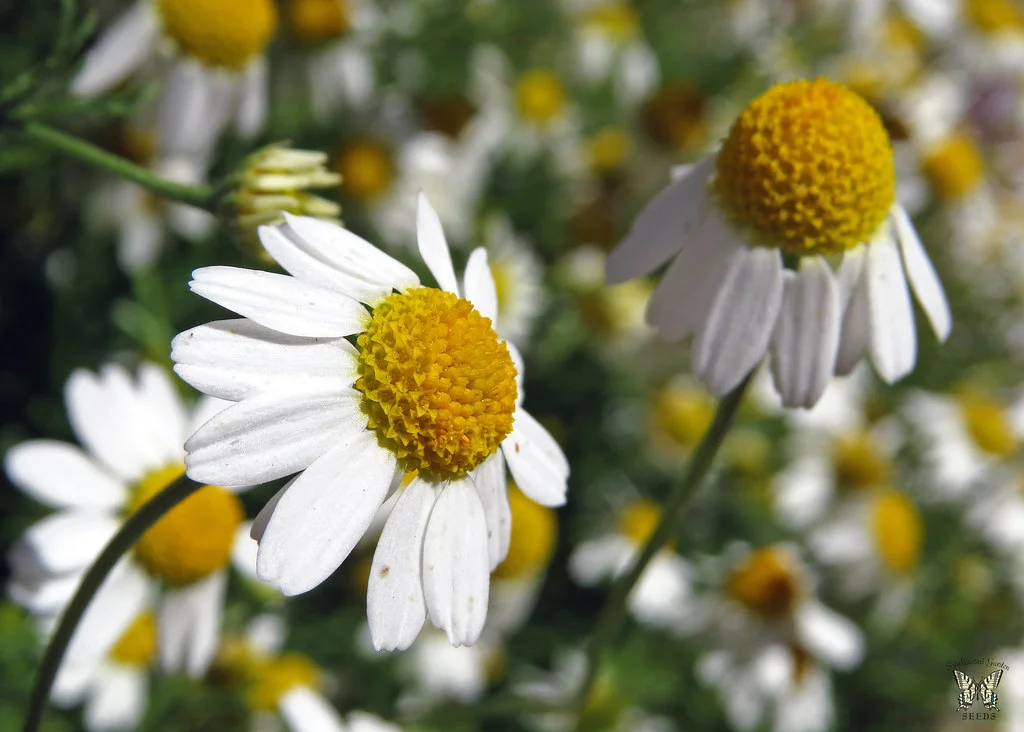
Roman chamomile: gastric sedative and anti-inflammatory effect. 1 teaspoon of dried flowers in 250 mL of simmering water, 10 minutes. 1 cup 30 minutes after each meal and before bedtime.
Common lemon balm: calms enteric nervous system and digestive spasms. Same as infusion, 2 to 3 cups per day.
Fennel: carminative (reduces gas), often associated with reflux. Chew some seeds after meals or as infusion.
A well-prepared good herbal tea potentiates these actions, especially in the evening.
Essential Oils to Know
Aromatherapy can complement phytotherapy. Three essential oils are most useful:
Peppermint: 1 drop in 1 teaspoon of honey, after meal, calms spasms and fullness sensation. Contraindicated in pregnancy and children under 6 years old.
Tarragon: 1 drop on a neutral tablet, 2 to 3 times a day during crisis. Digestive antispasmodic action.
Lemon: 1 to 2 drops in a little vegetable oil, in solar plexus massage. Helps digestion and liver support.
Always use quality essential oils, in agreement with an aromatherapist pharmacist in case of doubt or ongoing medical treatment.
Anti-Reflux Diet
Dietary adjustments are essential for lasting results.
To prefer:
- Moderate and fractionated meals (5 small meals rather than 3 copious)
- Cooked vegetables, whole starches, lean fish
- Apple, banana, melon (soothing)
- Plant milk (almond, oats) rather than cow milk if poorly tolerated
- Little mineralized water at room temperature
To avoid:
- Very fatty foods (charcuterie, fried foods, sauces)
- Tomato, citrus (except lemon in homeopathic dose), raw onion
- Chocolate, mint (yes it’s paradoxical, but it relaxes the cardia)
- Coffee, alcohol, sodas, acidic fruit juices
- Late meals (dinner 3 hours before bedtime)
- Very hot or very cold foods
Chewing: take time to chew well (20 chews per bite). It’s the basis of good digestion and limits gastric pressure.
Good Positions and Habits
To sleep: elevate head of bed by 10 to 15 cm (wedges under feet, not extra pillows that fold the stomach). Sleep on the left side: stomach positions under esophagus by gravity, which limits reflux.
After meals: stay seated 20 to 30 minutes before lying down or leaning forward. Walking gently helps digestion.
Clothing: avoid tight belts, snug jeans and corsets that increase abdominal pressure.
Stress management: cardiac coherence (3 times 5 minutes per day) is very effective to calm vagus nerve and reduce reflux frequency. The same approach also calms heart palpitations which may accompany nervous reflux.
Anti-Reflux Protocol Over 6 Weeks
Weeks 1 to 3:
- Fig bud: 10 drops morning and evening
- Aloe vera: 30 mL before 2 main meals
- Chamomile herbal tea: 1 cup after dinner
- Dietary adjustment (eviction of main triggers)
- Bed elevation + left side position
Weeks 4 to 6:
- Maintenance of basic protocol
- Add DGL licorice if residual reflux (380 mg before meals)
- Strengthening of gentle physical activity (walking)
- Work on stress (daily cardiac coherence)
Beyond:
- Maintain diet and positions
- Punctual cures of fig (3 weeks every 2 to 3 months)
- In case of persistent residual reflux: medical advice
When to Consult Without Waiting
A natural approach never substitutes a medical consultation in case of:
- Chronic reflux (> 3 months) or resistant to natural measures
- Unexplained weight loss
- Repeated vomiting
- Difficulty swallowing (dysphagia)
- Blood in stools or vomiting
- Anemia with iron deficiency
- Chronic cough or hoarseness unexplained
Esophagogastroduodenal fibroscopy allows to visualize esophagitis, hiatal hernia, ulcer or more rarely more serious pathology. It is the reference examination before committing to long-term management.