
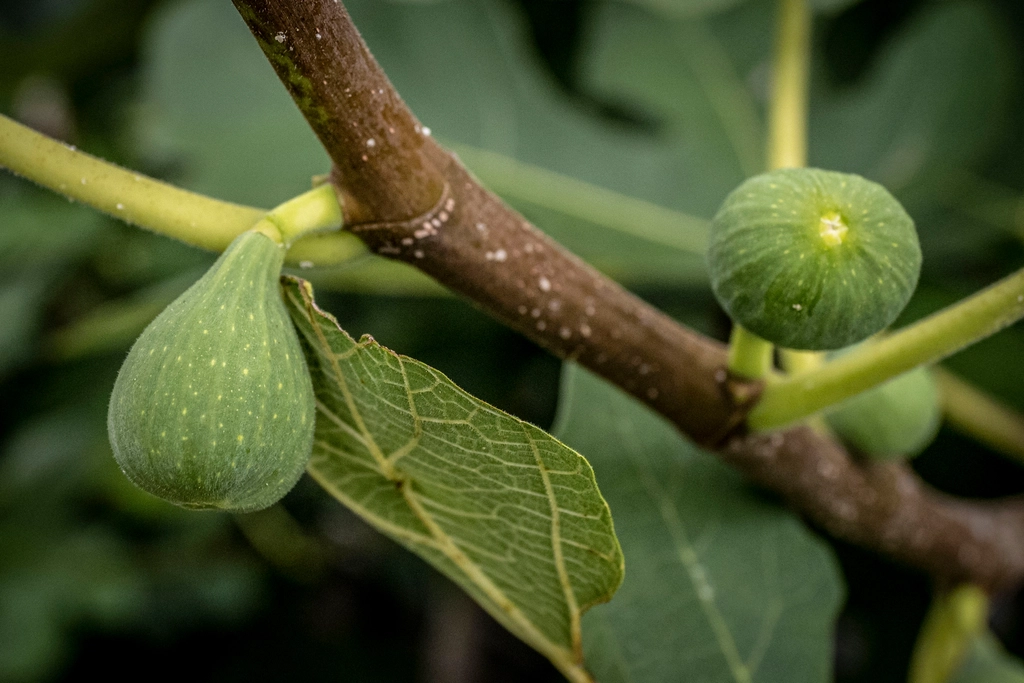
Nicknamed the great bud of the gastric sphere by Doctor Pol Henry, founder of modern gemmotherapy, fig bud (Ficus carica) is one of the most versatile macerates for regulating the stress-digestion-sleep axis. There is rare consensus among labs in the field (HerbalGem, Pranarom, Herbiolys, Saint-Hilaire) on its main indications.
What is fig bud in gemmotherapy
Gemmotherapy uses buds (Ficus carica) harvested in spring, just before bursting. The meristematic tissue of the bud contains the full genetic potential of the tree, in the form of phytohormones, flavonoids, amino acids, and trace elements.
Fresh buds are macerated in a glycerine-water-alcohol mix (1/3 each) for 21 days, following Doctor Pol Henry’s protocol. The resulting filtrate is the mother macerate, then diluted to 1/10 (D1) in some pharmacopoeias.
Fig bud stands out for its versatility: it acts simultaneously on the central nervous system, the digestive system, and the hypothalamic-pituitary axis, making it one of the most prescribed macerates for digestive somatisation of stress.
The 5 main benefits of fig bud
| Benefit | Mechanism | Typical indication |
|---|---|---|
| Nervous calming | Modulates serotonin and GABA | Stress, anxiety, hyperactivity |
| Gastric regulation | Lowers acidity, protects mucosa | Reflux, burning, early ulcer |
| Sleep improvement | Stimulates dream activity | Insomnia, night awakenings |
| Emotional balance | Action on the limbic system | Passing sadness, irritability |
| Circulatory support | Action on capillaries | Emotional palpitations |
1. Soothe stress and anxiety
The flagship indication. Fig bud is described as a neurotransmitter regulator: it acts as an emotional drainer without inducing drowsiness. It particularly suits people whose stress translates into mental rumination or intellectual hyperactivity.
Indicated for nighttime bruxism (teeth grinding), nervous tics, nail biting, and more broadly all psychosomatic manifestations of stress.
2. Regulate the stomach and digestion
The other major indication. Fig bud soothes stress-related digestive symptoms:
- Gastric burning and gastro-esophageal reflux (GERD)
- Non-bacterial chronic gastritis
- Irritable bowel syndrome with anxious component
- Esophageal spasms in tense periods
Improvement is generally observed within 7 to 10 days, with a clear decrease in antacid intake. It does not, however, replace PPI treatment for severe reflux or bacterial ulcer (Helicobacter pylori).
3. Promote restorative sleep and dream activity
Fig bud has the specificity of stimulating dream activity: regular users report more vivid dreams and better recall, supporting therapeutic work in psychotherapy. Sleep onset shortens, night awakenings become less frequent.
For a targeted sleep effect, take the daily dose as a single evening intake, 30 minutes before bedtime.
4. Balance mood
Without being an antidepressant, fig bud macerate is used in fragile mood states, passing energy dips, late-winter nervous fatigue, recovery from burnout. It works alongside a comprehensive approach (sleep, nutrition, physical activity).
For more structured emotional disorders, Bach flower remedies offer a complementary targeted approach, with no interaction with fig bud.
5. Support functional cardiovascular system
On palpitations of emotional origin (without organic cardiac cause), fig bud has a calming effect on the heart rhythm via the drop in nervous tension. It pairs well with hawthorn in synergy for functional rhythm disorders.
Dosage: how to use fig bud
For an adult or teenager
The standard adult dosage is 5 to 15 drops per day of mother macerate, diluted in a glass of water, 15 minutes before meals.
Typical progressive plan:
- Days 1 to 7: 5 drops in the morning
- Days 8 to 14: 5 drops morning + 5 drops evening
- Days 15 to 21: 5 drops morning + 5 drops noon + 5 drops evening
Do not exceed 15 drops per day without professional advice.
Duration: 3-week cure, followed by a one-week break. Cures can be repeated over 3 to 6 months in case of chronic indication (GERD, chronic anxiety).
For a child
Reserved for children over 3 years old, under therapist supervision:
- 1 drop per 10 kg of body weight, per day
- Diluted in a glass of water or some fruit juice
- 21-day cure
For seniors
Standard adult dosage. Increased vigilance in case of polypharmacy: check interactions with anticoagulants, antiplatelet drugs, and anti-inflammatories.
Useful synergies with other buds
Fig bud blends well with other macerates. Three frequent combinations.
Anti-stress + sleep synergy
- 5 drops of fig bud
- 5 drops of linden bud
Take in the evening, 30 minutes before bedtime, for 3 weeks.
Reflux and gastric burning synergy
- 5 drops of fig bud
- 5 drops of walnut bud (microbiome modulator)
15 minutes before meals, morning and evening, for 3 weeks.
Burnout and nervous fatigue synergy
- 5 drops of fig bud
- 5 drops of blackcurrant bud (natural cortisol-like)
Mornings only, for 3 weeks, as a spring cure.
To dive deeper into buds and their indications, see the gemmotherapy guide.
Contraindications and precautions
Although gentle, fig bud is not harmless. Four rules to follow.
- Pregnant or breastfeeding women: avoid, insufficient data
- Children under 3 years: contraindicated
- Latex allergy: avoid, possible cross-reaction (fig is in the Moraceae family, rich in latex)
- Ongoing treatments: medical advice required if you take anti-inflammatories, aspirin, anticoagulants, antidepressants, or anxiolytics
Alcohol-free versions (vegetable glycerin base) exist at several labs (Herbiolys, Saint-Hilaire) and suit recovering individuals, drivers, and women planning pregnancy.
How to choose a good fig bud macerate
Differentiating purchase criteria:
- Organic certification (AB or Ecocert label)
- D1 mother macerate or 1/10 concentrate (avoid further dilutions, less effective)
- Fresh buds (not dried) harvested in spring
- Indicated geographic origin (Mediterranean for fig)
- Available brands: Pranarom, HerbalGem, Herbiolys, Saint-Hilaire, Lehning, Boiron
The spray format exists for faster sublingual absorption, but drops remain the standard for scientific gemmotherapy.
When to consult a healthcare professional
Fig bud does not replace medical advice in case of:
- Severe gastro-esophageal reflux or known ulcer
- Major depressive episode or suicidal thoughts
- Chronic insomnia of more than 3 months
- Disabling generalised anxiety with panic attacks
Complementary aromatherapy (true lavender, marjoram) can reinforce fig bud’s action on the anxious terrain, while respecting contraindications.
Frequently asked questions
How do you use fig bud?
The standard dosage is 5 to 15 drops of fig bud macerate diluted in a glass of water, 15 minutes before meals, 1 to 3 times a day. Start gradually (5 drops) then build up over 1 to 2 weeks. 3-week cure, followed by a one-week break.
Should you take fig bud in the morning or the evening?
Taken in the morning, it eases digestive burning and daytime nervousness. Taken in the evening, it promotes restorative sleep and stimulates dream activity. Twice-daily intake (morning and evening) is ideal for stressed profiles with digestive issues.
How fast does fig bud work?
Initial effects are usually felt between 3 and 7 days on sleep and nervousness. For a deeper action on digestion and mood, allow a full 3-week cure. Regularity matters more than quantity.
What are the contraindications of fig bud?
The macerate is contraindicated in pregnant or breastfeeding women, children under 3 years, and people allergic to latex. Seek medical advice if you take long-term anti-inflammatories, anticoagulants, or aspirin.
Is fig bud compatible with antidepressants?
A theoretical interaction exists with antidepressants and anxiolytics because fig bud modulates neurotransmitters. Never use it as a replacement for treatment, and always seek your psychiatrist’s or doctor’s advice before combining.