
Electric diffuser, homemade spray, ceramic stone: there are several ways to use essential oils at home, and each one suits a particular room or purpose better than the others. From picking the right oil for each room to the precautions needed around children or pets, and the methods that need no device at all, this guide covers the right habits for bringing aromatherapy into daily home life safely.
Comparison table of home methods
The right method depends on the equipment available, the size of the room and the result sought.
| Method | Equipment needed | Best for | Main precaution |
|---|---|---|---|
| Electric diffuser (ultrasonic or nebulizing) | Diffuser, water for ultrasonic models | Large rooms, regular use | 15 to 30 min sessions, never continuous |
| Passive diffusion (stone, wood, tissue) | Porous support | Small rooms, desk, bedside | Renew the drops regularly |
| Homemade room spray | Glass bottle, dispersant | Fabrics, passage rooms | Dilute well before spraying |
| Baking soda for fabrics | Baking soda | Rugs, carpets, sofas | Let it sit, then vacuum thoroughly |
The different ways to diffuse essential oils at home
Beyond the electric diffuser, several methods let you enjoy essential oils in a room with no special equipment.
The electric diffuser
The ultrasonic diffuser mixes a few drops of essential oil with water and releases a fine scented mist, while the nebulizing diffuser runs on pure essential oil, with no water, for a more concentrated diffusion suited to large rooms. In both cases, cold diffusion preserves the aromatic molecules, unlike a heated oil burner which can alter them. Exact dosages per device type and room size are detailed in the dedicated guide on using an essential oil diffuser, alongside the precise drop dosage guide. To give this kind of atmosphere as a present, the ranking of organic essential oil gift sets for Christmas lists ready-to-diffuse blends.
Passive diffusion, with no device
A few drops placed on a ceramic stone, a piece of untreated wood or a simple tissue near an air vent are enough to gently scent a small room, a desk or a bedside table. This method, with no electricity or water, suits occasional use or a small room where a diffuser would be oversized.
The homemade room spray
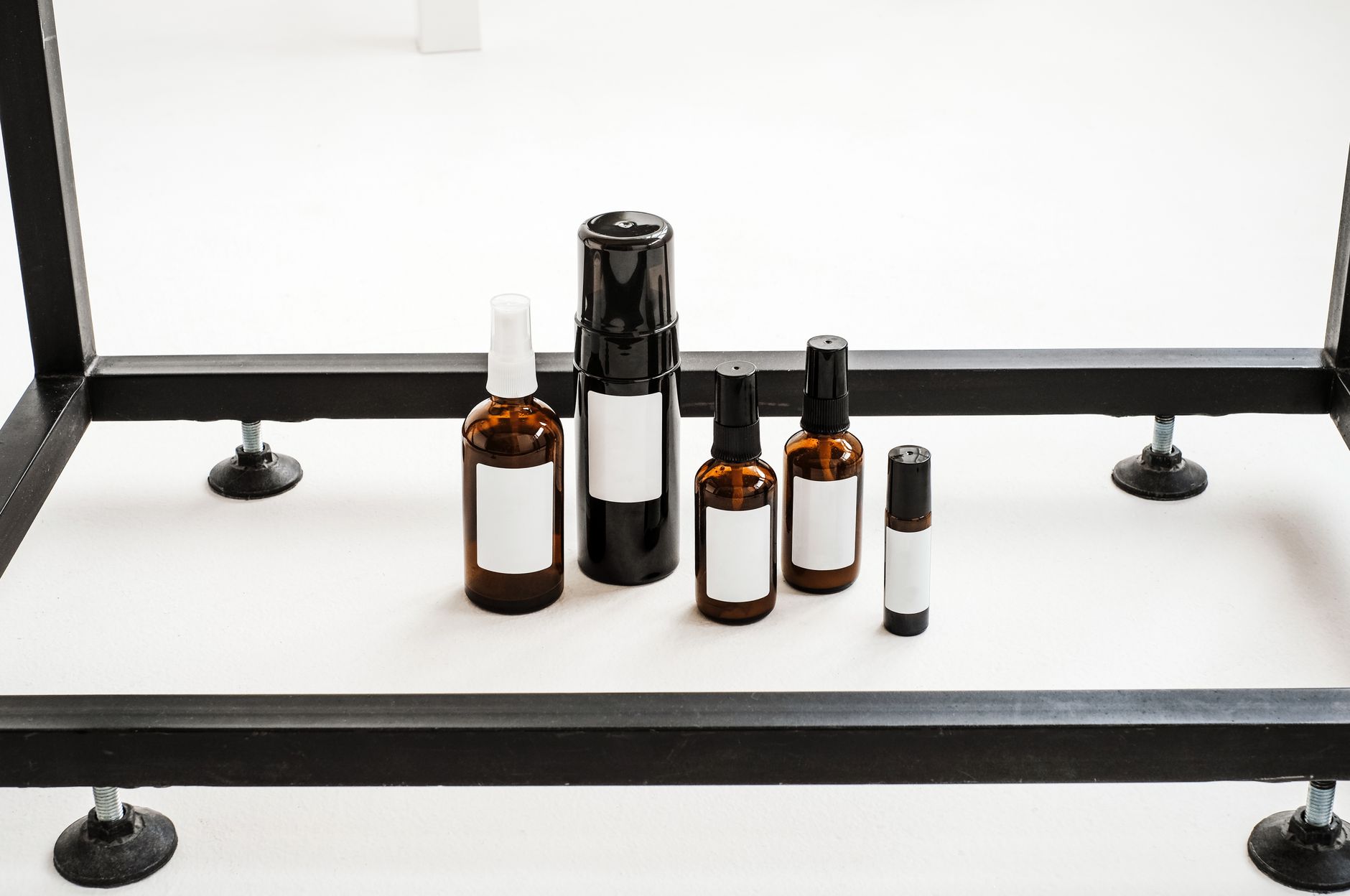
A mix of 5 to 6 drops of essential oil diluted in 30 ml of water, with a little dispersant or alcohol to homogenize the preparation, makes a room spray to mist in the air or onto upholstery. Kept in a tinted glass bottle, this spray stays handy for scenting an entryway or a passage room without installing a device.
Baking soda for fabrics
Mixing a few drops of essential oil with baking soda, letting it sit, then sprinkling it on a rug or a sofa before vacuuming scents fabrics for a lasting effect while also benefiting from baking soda’s odor-absorbing effect.
Which essential oil to choose by room
The right essential oil depends as much on the mood sought as on the room’s purpose.
In the living room and shared spaces
Citrus oils, lemon leading the way, bring a fresh and uplifting scent particularly suited to living spaces where the home receives visitors. True lavender also suits these rooms when a calmer evening mood is sought.
In the bedroom
True lavender and petitgrain bigarade are the most commonly cited oils to promote relaxation before bedtime, in a short diffusion session about thirty minutes before switching off the light. A room where a baby or a very young child sleeps should still be excluded from any diffusion, whatever oil is chosen.
In winter and in closed rooms
Eucalyptus radiata and ravintsara are often chosen in winter for their fresh scent, particularly in closed living rooms where air circulates less. Daily ventilation remains the essential complement to any winter diffusion.
Essential oils to avoid in home diffusion
Some essential oils, too rich in phenols or ketones, are not recommended for diffusion in an ordinary living space. Thyme thymol, oregano and clove are among the most irritating for the airways when diffused pure into the air. Cinnamon, also concerned, is better suited to a heavily diluted blend or to skin application than to continuous room diffusion. These oils have their place in other uses, but not in a diffuser for a living room used daily.
Precautions to follow throughout the home
Diffusing essential oils in a shared space calls for a few precautions, whatever the room.
- Never direct heat: a classic oil burner or a heat source alters the chemical structure of essential oils and can generate irritating compounds. Only cold diffusion preserves their properties.
- Fragile groups: babies, young children under 7, pregnant or breastfeeding women, and people with asthma or epilepsy should not be in a room during a diffusion session.
- Pets: cats are particularly sensitive to terpene compounds; prolonged diffusion in a room they frequent should be avoided.
- Systematic ventilation: opening the windows for a few minutes after each diffusion session refreshes the room’s air and prevents any build-up.
How long and how often to diffuse
A 15 to 30 minute session, repeated two to three times a day at most, remains the most common guideline for home use, whether with an electric diffuser or a passive diffusion renewed over time. Extending the session beyond that does not improve the scent effect and needlessly increases the occupants’ exposure. Between sessions, letting the room air out naturally prevents any saturation and keeps the next session just as effective.
Frequently asked questions
How can I naturally diffuse a pleasant scent at home?
An ultrasonic or nebulizing electric diffuser remains the simplest way to scent a room for a lasting effect with essential oils. Without a device, a few drops on a ceramic stone, a piece of untreated wood, or a tissue near an air vent are enough to release a gentle natural scent.
How long does it take for essential oils to work when diffused?
The scent effect is almost immediate within the first few minutes, but a 15 to 30 minute session is needed to scent an average-sized room for a lasting effect. Beyond that, it is better to stop the diffuser and ventilate the room rather than extend the session, which brings no extra benefit.
Which essential oil should be avoided with asthma?
Essential oils rich in phenols or ketones, such as thyme thymol, oregano, cinnamon or eucalyptus globulus, are not recommended for diffusion around people with asthma, whose airways are more sensitive to irritating compounds. Medical advice remains useful before introducing regular diffusion in this context.
How can I use essential oils without an electric diffuser?
A homemade room spray, made with a few drops of essential oil diluted in water and a dispersant, scents a room without any device. A few drops on a tissue placed near an air vent, or mixed with baking soda before vacuuming a rug, are two other simple alternatives.
Which essential oil should I pick to freshen the air at home?
Lemon and other citrus oils are often chosen for diffusion thanks to their fresh, deodorizing scent in living rooms. Eucalyptus radiata and ravintsara are favoured in winter in closed rooms. The choice mostly comes down to scent preference and to who is in the room (children, pets, sensitive people).