In short:
- Blackcurrant bud (Ribes nigrum) is the most versatile gemmotherapy, nicknamed “vegetable aspirin” for its major anti-inflammatory and antiallergic action.
- Flagship indications: allergic terrain (hay fever, eczema), chronic inflammations (osteoarthritis, rheumatism), adrenal fatigue, chronic stress.
- Dosage: 5 to 15 drops 1 to 3 times a day, away from meals, in a 3-week cure renewable.
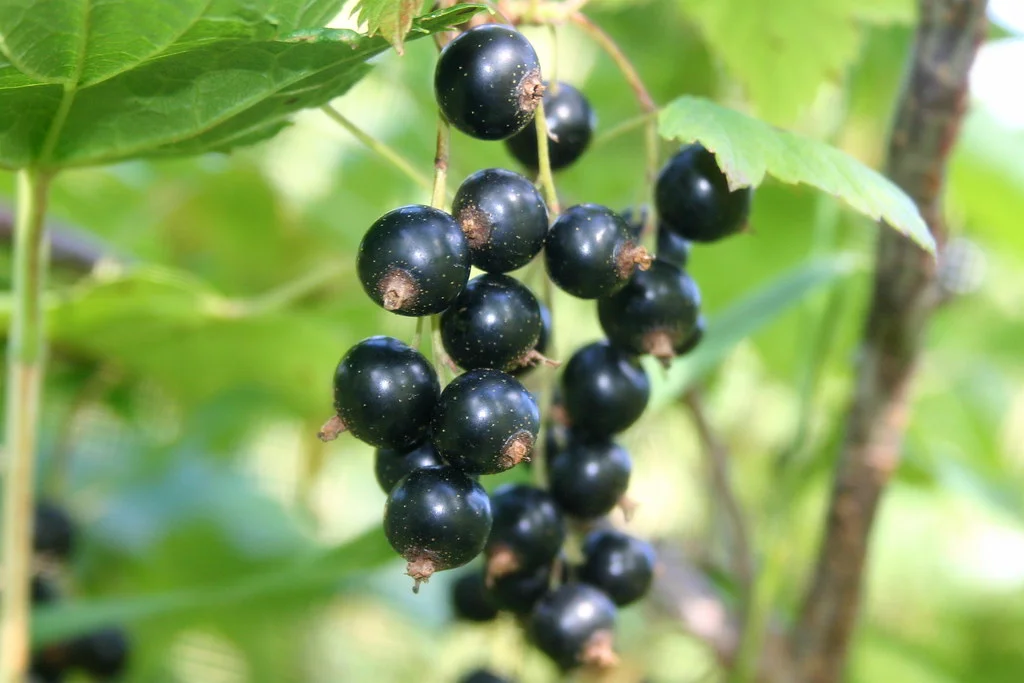
The blackcurrant bud (Ribes nigrum) is one of the stars of gemmotherapy, this branch of phytotherapy that uses embryonic tissues of plants (buds, young shoots, rootlets) for their concentrated properties. Nicknamed “vegetable aspirin” by naturopaths, it combines anti-inflammatory, antiallergic, draining and adrenal gland stimulating action. Tour of its documented benefits and concrete uses.
Blackcurrant in Gemmotherapy: Why the Bud
Gemmotherapy uses embryonic tissues of plants, in this case buds picked in spring before their blossoming. They contain in concentration all the genetic information and all the active ingredients that the plant will then develop: leaves, flowers, fruits, bark.
The blackcurrant mother macerate is obtained by macerating the buds in a water-alcohol-glycerin mixture at 95 °C, for 21 days. The final product contains:
- Anti-inflammatory flavonoids (proanthocyanidols)
- Phenolic acids antioxidants
- Vitamin C and trace elements
- Cortisone-like compounds that stimulate adrenal glands
- Gamma-linolenic acid (in trace amounts)
This unique composition makes blackcurrant one of the most versatile gemmotherapies of the plant kingdom, indicated in very varied disorders.
The Great Anti-Inflammatory and Antiallergic Power
This is the most emblematic use. Blackcurrant bud acts as a general anti-inflammatory, by stimulating adrenal cortex glands (which produce natural cortisol) and by direct action on inflammatory cascade.
On Allergic Terrain
Blackcurrant is a well-known plant against hay fever (seasonal allergic rhinitis) and other allergies (mild asthma, urticaria, contact eczema). Mechanism:
- Mast cell stabilization
- Modulation of histamine release
- Regulation of excessive immune response
- Gentle and lasting cortisone-like action
Dosage for seasonal allergies: start 4 to 6 weeks before pollen season, at 5 to 10 drops 2 to 3 times a day, and continue throughout exposure duration. See our detailed protocol against natural pollen allergy to combine blackcurrant and other approaches.
On Joint Inflammations
Osteoarthritis, rheumatoid arthritis, tendonitis, chronic low back pain: blackcurrant relieves through its anti-inflammatory action. Often combined in gemmotherapy with:
- Birch (Betula pubescens) for drainage
- Vine (Vitis vinifera) for joint pain
- Pine (Pinus sylvestris) for degenerative terrain
Dosage: 10 to 15 drops 2 to 3 times a day, over 3 to 6 weeks, in relay according to evolution.
On Skin Inflammations
Chronic eczema, psoriasis, atopic dermatitis: blackcurrant works the background inflammatory terrain. 3-week cure per month for 3 to 6 months, in parallel with adapted topical care.
Adrenal Gland Support
This is the other major signature of blackcurrant bud: stimulation of adrenal cortex glands, which produce cortisol and DHEA, hormones of adaptation to stress and fight against fatigue.
Chronic Fatigue and Asthenia
When the body is exhausted by prolonged stress, adrenal glands work at slow pace. Blackcurrant gives a boost by gently stimulating their activity, without exhausting them further (provided not too prolonged cures).
Indications:
- Chronic fatigue on waking
- Post-infectious or post-operative recovery
- Beginning or convalescing burn-out
- Convalescence after great fatigue
Dosage: 10 drops in the morning on empty stomach and 10 drops in early afternoon, over 3 weeks, in cure repeated 1 to 2 times a year. The same 3 week rhythm governs the bottles sold by the best urinary tract supplement brands, at 5 to 15 drops a day, and the best blood circulation supplements follow the same dosing logic.
Chronic Stress
Blackcurrant also helps to bear periods of sustained stress, by its action on hypothalamic-pituitary-adrenal axis. Often associated with fig bud (nervous calm) or linden bud (sleep, anxiety).
For global nervous system support, see also our articles on essential oil for stress and anxiety which provides a complementary aromatherapeutic component.
Draining and Detoxifying Action
Blackcurrant bud is a general drainer that acts on several emunctory organs:
- Kidneys: facilitates urinary elimination
- Liver: supports liver functions (without being a major liver drainer like rosemary or milk thistle)
- Lymphatic system: promotes lymphatic circulation
This draining action makes it an excellent complement to spring and autumn cures to restart elimination functions.
Action on Mood and Anxious Terrain
Although less documented, the action of blackcurrant on mood and anxious terrain is observed in practice. It would act through its adrenal support effect and stabilization of autonomic nervous system.
Indications:
- Seasonal mood drop (autumn, end of winter)
- Mild anxiety associated with fatigue
- Morning lack of momentum
To combine with good lifestyle and, if necessary, other more specific plants (St. John’s wort, saffron, rhodiola) according to intensity.
Dosage and Use Tips
Form and Brand
Blackcurrant is found as mother macerate diluted at 1/10. Two concentrations exist:
- D1: the most common in pharmacy and organic store
- Concentrated: HerbalGem brand, diluted after intake (proportions adjusted on label)
Organic brands:
- HerbalGem (Belgium): recognized brand, organic certified, rigorous sourcing
- Biofloral: extensive range and recognized quality
- Hippocratès: appreciated French brand, easy to find
Typical Adult Dosage
Classic indication: 5 to 15 drops diluted in a little water, 1 to 3 times a day, away from meals (15 minutes before or 1 hour after). 3-week cure, to renew after 1 week of break.
In acute allergic crisis: one can go up to 10 drops 3 times a day for 5 to 7 days, then lower to maintenance dose.
For children (from 3 years old): 1 drop per year of age, 1 to 2 times a day. Ask for pharmaceutical advice.
When to Take
Morning and early afternoon preferably: slightly toning effect. Avoid late evening in sensitive people, to not disturb sleep.
How Long
3-week cure minimum. For chronic terrains (allergy, inflammation), cures repeated 3 to 4 times a year. A 1-week break between two cures allows to restart sensitivity of the body.
Contraindications to Know
Blackcurrant is well tolerated but some precautions apply:
- Anticoagulants: potentiates effect (action close to aspirin on platelet aggregation). Medical advice before cure.
- Unbalanced hypertension: caution, cortisone-like effect can raise blood pressure.
- Cortisone treatment: association can potentiate undesirable effects.
- First trimester pregnancy: as a precaution, avoid.
- Children under 3 years old: medical advice.
- Hormone-dependent cancer: oncological advice before cure (effect on adrenal axis).
Side effects are rare: transient excitability, sleep disorders if taken too late, mild digestive disorders at the beginning of cure.
Winning Associations
Blackcurrant combines well with other buds according to objective:
Blackcurrant + fig bud: inflammatory and anxious terrain, digestive disorders related to stress. See the article dedicated to fig bud.
Blackcurrant + birch bud: deep drainage, rheumatic terrain.
Blackcurrant + pine bud: joint aging, degenerative terrain.
Blackcurrant + alder bud: chronic inflammatory terrain, recurrent ENT sphere.
Blackcurrant + linden bud: stress, anxiety, sleep disorders.
These associations are taken 12 hours apart (one bud in morning, the other in evening) to optimize action.
Blackcurrant and Diet: A Winning Duo
The bud (gemmotherapy) does not dispense with other uses of blackcurrant:
- Dried leaves as herbal tea: gentle diuretic and anti-inflammatory action
- Fresh berries or juice: richness in antioxidant anthocyanins, vitamin C
- Blackcurrant seed oil: omega-6 GLA, interesting for skin and hormonal balance
The integration of blackcurrant under different forms potentiates the global effect and fits into an approach of overall good health.