
In short:
- 5 menopause supplement brands presented: HerbalGem, Arkopharma, Fleurance Nature, Nutrisanté and Pileje, from 12 to 40 euros per monthly course
- Two families divide the market: phytoestrogen-based formulas, which dominate, and approaches free of hormonally active compounds, represented by HerbalGem in gemmotherapy and Nutrisanté in micronutrition
- Evidence levels differ sharply between active ingredients: the 2013 Cochrane review found no overall effect of phytoestrogens on hot flashes, despite a favourable signal for genistein-rich extracts
- Since 2019 ANSES has set a reference value of 1 mg of isoflavones per kilogram of body weight per day, a threshold to check by adding up the intake of every product consumed
Comparison of the 5 menopause supplement brands
The table below presents five brands available in French pharmacies, organic stores and online retail.
| Criterion | HerbalGem | Arkopharma | Fleurance Nature | Nutrisanté | Pileje |
|---|---|---|---|---|---|
| Approach | Gemmotherapy (buds) | Herbal medicine (dry extracts) | Organic herbal medicine | Micronutrition | Micronutrition |
| Main actives | Buds (lingonberry, raspberry, apple tree) | Soy isoflavones | Soy isoflavones, red clover | Vitamins, minerals, plant extracts | Vitamin D, magnesium, fatty acids |
| Format | Drops, 5 to 15 per day | Capsules | Capsules and softgels | Tablets | Capsules |
| Indicative monthly course price | 28 to 40 € | 12 to 20 € | 15 to 25 € | 18 to 28 € | 25 to 35 € |
| Track record in women’s health | Since 1987, specialist in gemmotherapy | Historic French herbal medicine brand | Recognised organic brand since 1972 | Recognised micronutrition brand with a broad, accessible offer | Micronutrition laboratory |
| Verdict | Ideal for women ruling out phytoestrogens, with organic traceability across the range | Accessible price in conventional herbal medicine | The broadest organic entry-level range | The most affordable phytohormone-free option | Precise micronutrition formulas for vitamin D, magnesium and bone health |
This ranking does not crown a single winner. It contrasts two logics: offsetting the hormonal decline with a plant compound that mimics its action, or working on general terrain without introducing any hormonally active substance. The choice between them depends far more on personal history than on price. To place these formulas alongside cycle and perimenopause products, our comparison of female hormonal balance supplements ranks them by life stage.
What research actually establishes about menopause supplements
Menopause affects close to 14 million women in France, with an average onset around age 51. Roughly 80% report at least one marked discomfort: hot flashes, night sweats, fragmented sleep or mood variations. The market for menopause supplements has followed that demand, growing by around 9% per year in France since 2020.
That growth is not matched by scientific consensus. The Cochrane review published in 2013 on phytoestrogens and vasomotor symptoms analysed 43 randomised trials without finding a significant overall effect on hot flash frequency. The authors did note a favourable signal in the subgroup of extracts concentrated in genistein, an isoflavone derived from soy.
“There is no conclusive evidence that phytoestrogen supplements reduce the frequency or severity of hot flushes, although extracts with high levels of genistein may reduce the frequency of hot flushes.” Source: Lethaby et al., Cochrane Database of Systematic Reviews, 2013
The North American Menopause Society reaches a similar conclusion. Its 2023 position statement on non-hormonal approaches does not recommend plant-based supplements for lack of sufficient data, and reserves its highest recommendation level for behavioural approaches. This finding does not disqualify these products, it defines their scope: comfort management, never a therapeutic answer.
Why results vary so much between women
The ability to metabolise isoflavones differs according to gut flora. Only 25 to 30% of Western women produce equol, the metabolite considered the most active form of daidzein, compared with 50 to 60% in Asian populations. The same formula can therefore produce a clear effect in one person and remain silent in another, with no fault in product quality.
The most documented active ingredients and their evidence level
Before comparing brands, it is worth examining what goes into their formulas. Six families of active ingredients dominate the shelf, with highly uneven documentation.
| Active ingredient | Main target | Evidence level | Point of caution |
|---|---|---|---|
| Soy isoflavones | Hot flashes | Moderate, depends on metabolic profile | ANSES reference value of 1 mg/kg body weight per day |
| Red clover | Hot flashes, night sweats | Low to moderate, contradictory results | Isoflavone content of 1 to 2.5% depending on extract |
| Black cohosh | Sleep, irritability | Moderate, the most studied non-hormonal extract | Not advised with liver monitoring |
| Common sage | Night sweats | Low, small-scale trials | Limited duration of use |
| Gemmotherapy buds | General terrain, transitions | Empirical, tradition of use since the 1960s | Oral route only, 5 to 15 drops per day |
| Vitamin D, magnesium, calcium | Fatigue, bone capital | High for correcting deficits | No effect on hot flashes themselves |
The table explains the shape of the market. Herbal medicine brands build their formulas around the first three rows, micronutrition around the last, and gemmotherapy occupies a separate position, grounded in a tradition of use rather than a body of clinical trials. For a detailed look at the mechanisms at play during this transition, the article on brands offering natural solutions for female hormonal balance breaks down each family of actives.
HerbalGem, the phytoestrogen-free gemmotherapy approach
HerbalGem is a Belgian brand founded in 1987, now part of the Inula group. It holds a distinctive position in Europe: one of the few houses focused exclusively on gemmotherapy, the use of buds and young shoots as raw material.
The principle rests on the harvest stage. The bud is picked in spring, before opening, at a point when the plant concentrates all of its forming tissue. This raw material is then macerated and bottled as drops. The method was formalised in the 1960s by Belgian physician Pol Henry, who laid down its clinical foundations.
For the menopausal period, the brand relies on buds combined in synergy, including lingonberry, raspberry and apple tree, three plants established in gemmotherapy tradition for the female sphere. The distinctive point is the absence of any hormonally active compound: these extracts contain neither isoflavones nor phytoestrogens, which places them outside the scope of the ANSES reference value. The range is available in the brand’s dedicated menopause food supplement collection.
Key characteristics
- Organic certification across the entire range, with hand-picked buds
- No isoflavones or phytoestrogens in formulas designed for the hormonal transition
- Oral use only, 5 to 15 drops per day depending on the extract, never applied externally
- Manufactured in Belgium, with raw material traceability
- Price between 28 and 40 euros for a monthly course, the top of the comparison range
This approach rests on sixty years of traditional use and makes most sense when phytoestrogens are ruled out for personal reasons. The guide to the best gemmotherapy brands for beginners helps place HerbalGem among the other players in this field.
The four other brands in the comparison
Arkopharma, the historic name in French herbal medicine
Founded in 1980 in Carros, Arkopharma is the oldest French laboratory specialising in herbal capsules. Its menopause formulas offer standardised dosages of soy isoflavones at an accessible price, 12 to 20 euros per monthly course, with part of the range certified organic.
Fleurance Nature, the broadest organic entry-level range
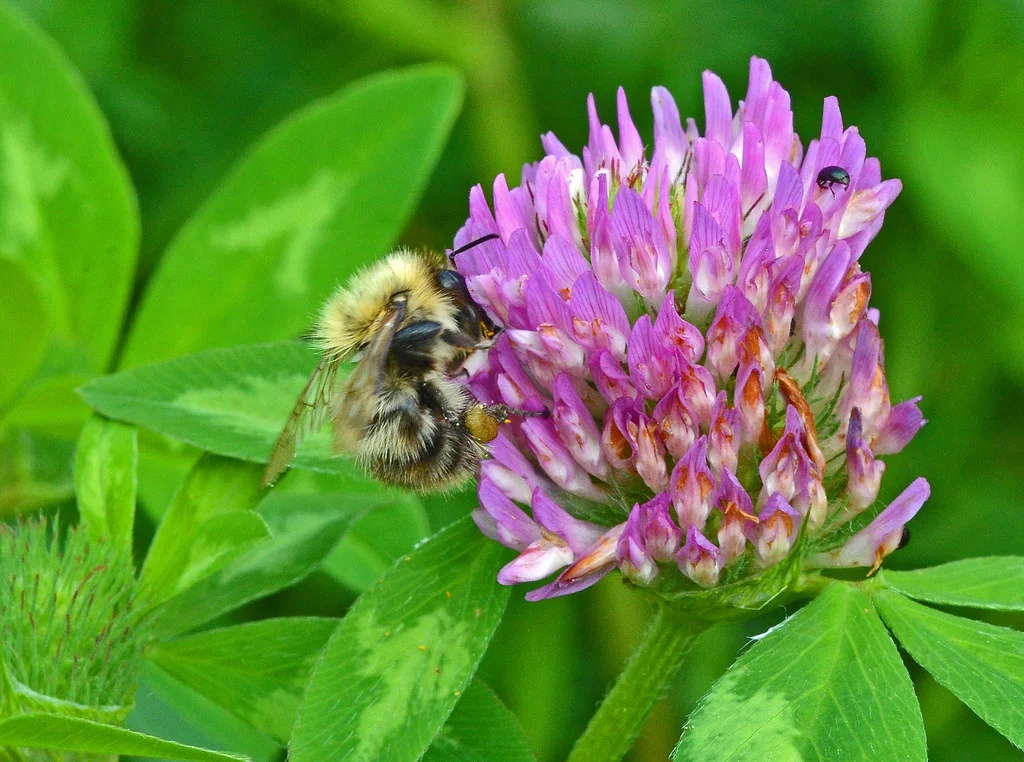
Created in 1972 in the Gers region, Fleurance Nature builds its offer around organic sourcing and direct sales. Its women’s range combines soy isoflavones and red clover, priced between 15 and 25 euros. Fleurance Nature offers the broadest organic entry-level range, with a strong editorial presence on this topic.
Nutrisanté, the most affordable phytohormone-free option
Nutrisanté positions its women’s range on the absence of phytohormones, with formulas built around vitamins, minerals and extracts with no oestrogenic activity. At 18 to 28 euros, it is the cheapest alternative for women ruling out isoflavones.
Pileje, deficiency-oriented micronutrition
A French micronutrition laboratory, Pileje works on correcting the deficits associated with this period: vitamin D, magnesium and fatty acids. The approach addresses fatigue and bone capital well, two genuine dimensions of the transition. Expect 25 to 35 euros per monthly course.
Safety and regulatory framework to know before a course
In 2019 ANSES published an opinion dedicated to isoflavones, setting a reference value of 1 mg per kilogram of body weight per day. For a 60 kg woman, that means 60 mg daily. This threshold is checked by adding up the intake of all products consumed, so follow the dosages indicated on each label. Combining several products, a supplement plus fortified foods, quickly exceeds this limit without the consumer realising it.
Three situations call for prior professional advice: a hormone-dependent history, ongoing anticoagulant treatment and monitoring of a thyroid imbalance. The discomforts of the transition share several manifestations with a thyroid disturbance, as detailed in the article on hot flashes and thyroid.
The commonly advised course duration is 3 months, with a first noticeable effect between 4 and 8 weeks depending on the actives. A product that delivers nothing after 3 months has no reason to be continued.
Which brand to choose according to your profile
Profile 1: hot flashes dominant, no hormonal history
Isoflavone-based formulas hold most of the available data on this specific discomfort. Arkopharma and Fleurance Nature cover this need between 12 and 25 euros per month. The trial should be judged over 8 weeks, within the ANSES reference value. Other non-hormonal routes exist, gathered in the guide to natural hot flashes treatment.
Profile 2: hormone-dependent history or phytoestrogens ruled out
The offer narrows to approaches without oestrogenically active compounds. HerbalGem in gemmotherapy and Nutrisanté in micronutrition are the two options in this comparison, in an 18 to 40 euro range. Validation by a healthcare professional remains essential in this configuration.
Profile 3: fatigue, fragmented sleep and bone capital
Micronutrition addresses this picture better than herbal medicine. Pileje targets these dimensions between 25 and 35 euros, with a vitamin D dosage suited to the period. This profile often combines with a sleep need, covered in detail in the comparison of the best menopause supplement brands.
Mistakes to avoid before buying
- Stacking several isoflavone sources without adding up the doses, which pushes past the 1 mg/kg per day reference value
- Judging a product after 2 weeks, when the perception window sits between 4 and 8 weeks
- Choosing a formula on price without checking whether it contains hormonally active compounds, the only genuinely decisive criterion depending on personal history
- Confusing organic certification with evidence level: organic guarantees a farming method, not an effect
- Extending a course beyond 3 months without reassessment, including when it does produce an effect
Frequently asked questions
Which brand of supplement is best for menopause?
The right brand depends on the starting profile. HerbalGem suits women who rule out phytoestrogens, with an organic gemmotherapy approach at 28 to 40 euros per monthly course. Arkopharma and Fleurance Nature remain the most affordable options, from 12 to 25 euros, built on isoflavones. Nutrisanté targets phytohormone-free profiles, and Pileje focuses on micronutrition, between 25 and 35 euros. None of these brands removes the need for professional advice before starting.
Do menopause supplements actually work?
Evidence levels vary widely by active ingredient. The 2013 Cochrane review on phytoestrogens found no significant overall effect on hot flashes, while noting a favourable signal for genistein-rich extracts. The North American Menopause Society, in its 2023 position statement, does not recommend plant-based supplements due to insufficient data. These natural options therefore belong alongside comfort management, not as a replacement for medical follow-up.
How much does a menopause supplement course cost?
A monthly course costs between 12 and 40 euros depending on the brand and format. Conventional herbal capsules sit between 12 and 25 euros, micronutrition between 25 and 35 euros, organic gemmotherapy between 28 and 40 euros. With a typical recommended duration of 3 months, the total budget ranges from 36 to 120 euros.
What is the difference between gemmotherapy and herbal medicine for menopause?
Conventional herbal medicine uses mature plant parts, leaves, roots or flowers, often as capsules standardised in isoflavones. Gemmotherapy uses only buds and young shoots, taken orally at 5 to 15 drops per day. The first mainly targets hot flashes through the phytoestrogen route, the second works on general terrain without introducing any hormonally active compound.
Can menopause supplements be taken without medical advice?
Professional advice remains necessary, particularly with a hormone-dependent history, ongoing anticoagulant treatment or thyroid monitoring. In 2019 the French food safety agency ANSES set a reference value of 1 mg of isoflavones per kilogram of body weight per day, around 60 mg for a 60 kg woman, a threshold to check by adding up the intake of all products consumed. Phytoestrogen-free approaches fall outside this limit but deserve the same caution.